

Vermont winters don’t go quietly. Between the ice dams, freeze-thaw cycles, and the legendary mud season that follows, your properties take a beating every year. A thorough spring inspection isn’t just good practice — it’s how you protect your investment, keep tenants happy, and stay on the right side of Vermont’s habitability requirements.
Whether you manage a single rental or oversee common areas for an HOA, here’s what should be on your radar as the snow melts.
What’s in this guide:
- Exterior: Start From the Top Down
- Grounds and Drainage
- Building Systems
- Interior Considerations
- HOA-Specific Items
- Vermont Tenant Rights
- Don’t Wait for Problems to Find You
Exterior: Start From the Top Down
Roof and Flashing
Winter is hard on Vermont roofs. Ice buildup can lift shingles, damage flashing around chimneys and vents, and create entry points for water. Walk the perimeter and look up — or better yet, hire a professional to get on the roof. You’re looking for missing or curled shingles, cracked flashing, and any sagging that could indicate structural stress from heavy snow loads.
If your property experienced ice dams this winter, pay extra attention to the eaves and the areas where the roof meets exterior walls. Water damage from ice dams often doesn’t show up until spring, and by then it’s already been working its way into the structure for months. For a deeper dive on this topic, see our guide: Ice Dams: Prevention, Detection, and What to Do Now.
Gutters and Downspouts
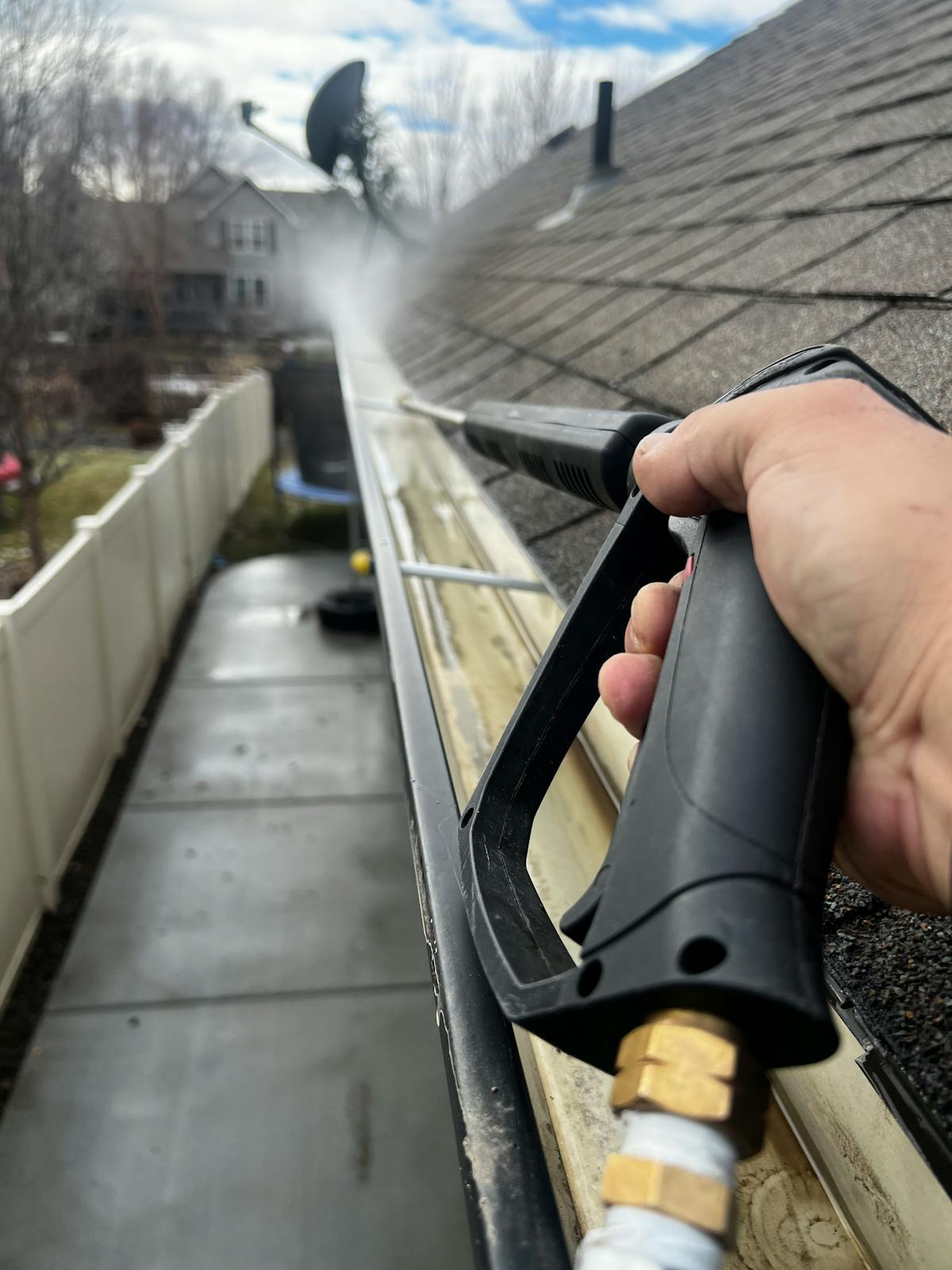
Freeze-thaw cycles can crack gutter seams, loosen hangers, and shift entire sections out of alignment. Clear out the winter debris, check that all joints are tight, and run water through the system to confirm everything is draining properly. Downspouts should direct water at least four to six feet away from the foundation — this is one of the simplest and most effective things you can do to prevent basement moisture issues.
Foundation and Grading
Spring is prime time for foundation problems in Vermont. The ground has been freezing and thawing for months, which can cause settling, new cracks, and changes in the grade around your building. Walk the full perimeter and look for:
- Cracks wider than a quarter inch
- Efflorescence — white mineral deposits that signal moisture migration
- Soil separation — spots where the ground has pulled away from the foundation
- Negative grading — soil that slopes toward the building instead of away from it
For HOAs, this applies to all common-area structures — clubhouses, garages, retaining walls, and shared storage buildings.
Siding, Windows, and Doors
Check siding for cracks, warping, or areas where caulking has failed. Inspect window and door seals for gaps. Vermont’s winter moisture can work into these small openings and cause rot or mold behind walls that you won’t see until the damage is significant.
Pro tip: If you find extensive siding or window issues, consider scheduling a professional assessment early in the season. Vermont’s construction window is short, and contractors book up fast once mud season ends.
Grounds and Drainage
Driveways, Walkways, and Parking Areas
Plow damage and frost heaves are a fact of life in Vermont. Inspect all paved surfaces for new cracks, potholes, and trip hazards. For HOAs, this is especially important in shared parking lots and walkways where liability is a concern. Fill cracks early — small problems in April become big expenses by October.
Landscaping and Spring Cleanup
Once the mud dries, it’s time for a thorough spring cleanup: rake matted leaves off lawns, clear debris from flower beds and common areas, and trim back any branches that are dead, damaged, or encroaching on structures and power lines. This is also a good time to inspect and refresh mulch beds, which help with moisture control and curb appeal.
For HOAs managing common-area landscaping, spring is the time to evaluate your irrigation system. Pipes can freeze and crack over winter, and catching a broken line before you turn the system on saves water, money, and landscape damage.
Grading and Drainage
Verify that all drainage swales and catch basins are clear. Mud season runoff can deposit sediment that blocks drainage paths, creating standing water near buildings. Check window wells, stairwells, and any below-grade entries for debris accumulation.
Building Systems
Heating and Cooling
Vermont law requires landlords to provide adequate heat. Spring is the ideal time to schedule HVAC maintenance — clean or replace filters, inspect ductwork, and have a technician service the system before you need air conditioning (if applicable) or before next heating season. Addressing issues now, when HVAC contractors are less booked, saves both time and money.
Plumbing
Check all visible pipes for signs of freeze damage — cracks, bulging, or slow leaks. Run water in every unit and common area to confirm proper pressure and drainage. Inspect water heaters for corrosion and test pressure relief valves. If your property uses a well and septic system (common in rural Vermont), spring is the right time for water testing and septic inspection.
Smoke and Carbon Monoxide Detectors
Test every detector in every unit. Replace batteries and any units that are past their expiration date. This is both a safety essential and a legal requirement — Vermont landlords must provide working smoke and CO detectors.
Electrical
Look for any exterior outlets, fixtures, or wiring that may have been damaged over the winter. Confirm that all exterior lighting is working, particularly around entryways and parking areas. Vermont law requires at least one light fixture in every room and adequate exterior lighting for safe access.
Need something fixed right away? If you’re a current Full Circle client, you can submit a maintenance request through our online portal anytime — or connect with us via our after hours emergency pager.
Interior Considerations
Moisture and Ventilation
Spring’s fluctuating temperatures and increased humidity create ideal conditions for mold. Inspect basements, bathrooms, and any areas with limited ventilation. Check around windows for condensation damage. If you see or smell mold, address it promptly — Vermont’s rental codes require landlords to mitigate hazardous substances including mold.
Lead Paint (Pre-1978 Properties)
If your property was built before 1978, Vermont’s lead law requires you to perform Essential Maintenance Practices (EMPs) to reduce lead hazards. Spring maintenance that disturbs painted surfaces — scraping, sanding, window repair — must follow lead-safe work practices. This is a good time to visually inspect all painted surfaces for chipping or peeling paint and address any issues using certified lead-safe methods.
For more on EMPs, visit Lead Safe Vermont .
HOA-Specific Items
If you’re managing an HOA, your spring checklist extends to all common elements defined in your governing documents. If you’re new to a board role, our first-year HOA board guide covers the fundamentals. In addition to the items above, consider these:
Common areas and amenities. Inspect and prepare pools, fitness areas, community rooms, and playground equipment. Check fencing, gates, and shared signage for winter damage.
Reserve study review. Spring is a natural time to revisit your reserve study and confirm that your capital improvement plan aligns with the condition of major systems — roofs, paving, siding, and mechanical equipment across the community.
Vendor coordination. Get landscaping, paving, and any major repair contracts in place early. Vermont’s construction season is short, and contractors book up fast once mud season ends.
Communication. Send homeowners a spring maintenance reminder outlining their responsibilities for individual units. Clear expectations help maintain property values and reduce conflict.
A Note on Vermont Tenant Rights
When scheduling spring inspections of occupied rental units, remember that Vermont law requires at least 48 hours’ written notice before entry, and landlords may only enter between 9:00 AM and 9:00 PM (unless it’s an emergency or the tenant consents to different terms). Plan your inspection schedule accordingly and communicate clearly with tenants about what you’ll be checking and why.
Don’t Wait for Problems to Find You
Vermont’s short spring window between snowmelt and summer means the maintenance clock starts ticking fast. A proactive approach catches small issues before they become costly repairs, keeps your properties in compliance with Vermont’s habitability standards, and shows your tenants and homeowners that you take stewardship seriously.
Not sure where to start — or don’t have time to manage it all yourself? Full Circle Property Management handles seasonal inspections, vendor coordination, and ongoing maintenance for property owners and HOAs across the Burlington area. We’d love to help you stay ahead of the season.